
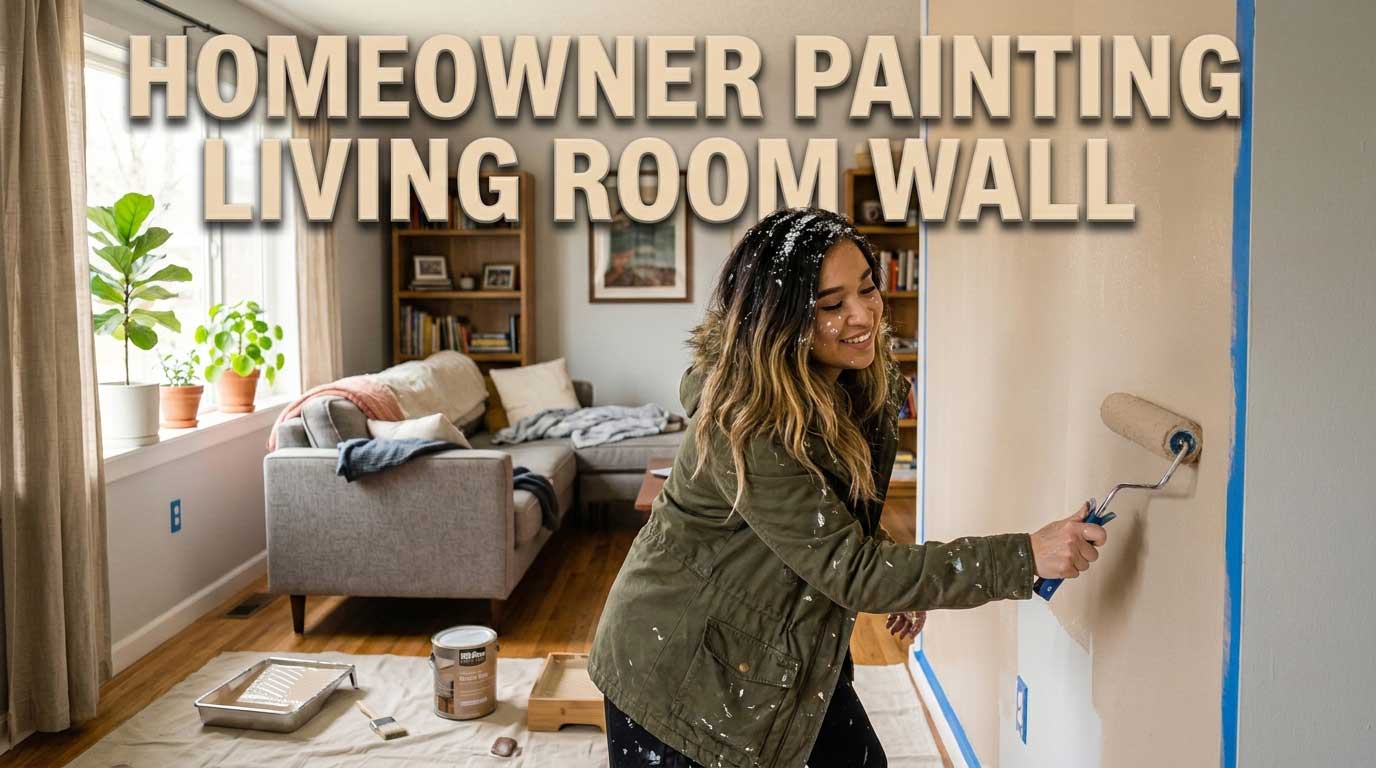
Hi friends. Welcome back to my home repair blog. Today, we need to talk about paint. I love to paint. It is the best way to change a room. It costs very little. But it can make a huge impact on your home decoration.
However, things can go wrong. Very wrong. We have all seen bad walls. Paint can peel. Paint can bubble. It can look very ugly. When this happens, we feel sad. We wasted time. We wasted money.
I am here to help. I am an expert in painting. I know how to fix walls. I know about waterproofing. I know home repair. Over the years, I have seen it all. I have fixed so many bad walls.
Today, we will dig deep. We will look at common paint problems and solutions. I will share my best tips with you. I want you to paint like a pro. Let us get started.
The Big Secret: Wall Preparation
Before we talk about the problems, let us talk about the cause. Why do paint jobs fail? The answer is simple. Bad prep work. Yes, it is true.
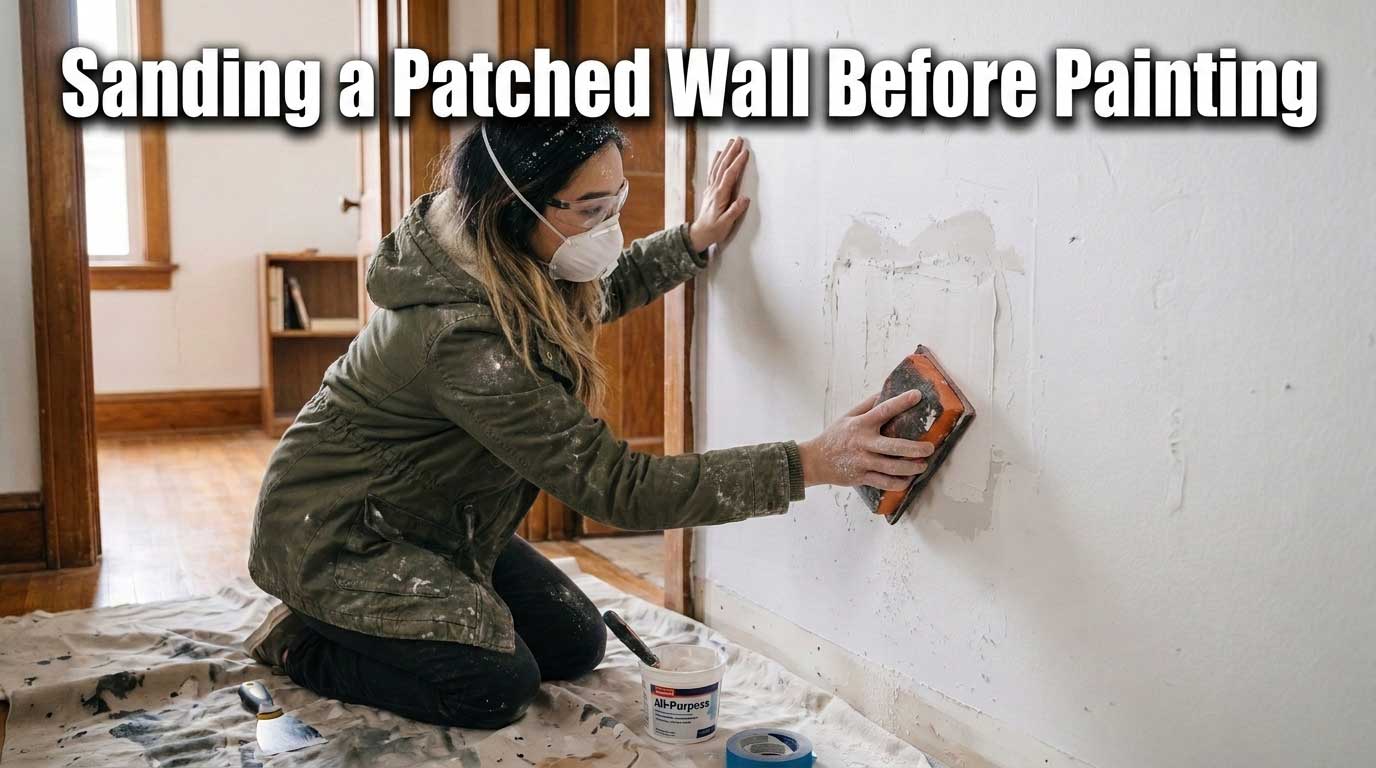
Most people hate prep work. They just want to open the can. They want to roll the color on the wall. I get it. Painting is fun. Prep work is hard.
But you must prepare the wall. If you do not, the paint will fail. I learned this long ago. I painted my first home. I was young and fast. I did not wash the walls. I did not sand the bumps. I just painted over everything.
One month later, the wall looked awful. The paint fell off. Dirt showed through. I had to do it all over again. It took twice as long.
So, what should you do?
- Wash the wall with soap and water.
- Scrape off any loose flakes.
- Fill holes with putty.
- Sand the putty flat.
- Wipe away all the dust.
Do these things every time. Your walls will thank you. Your paint will stick tight. It will last for years.
Common Paint Problems and Solutions
Now, let us look at specific issues. We will see why they happen. We will see how to fix them.
1. Peeling Paint
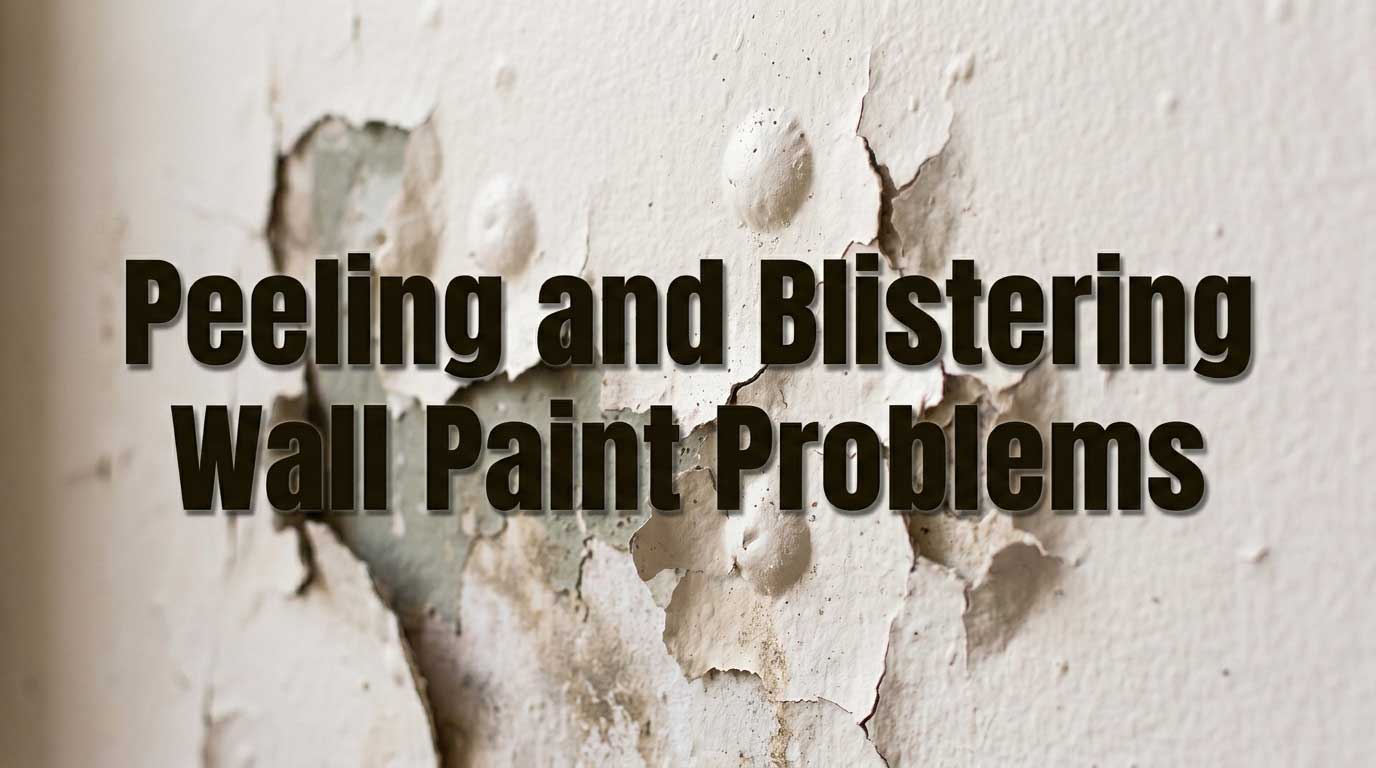
Why it Happens Peeling is the worst. We have all seen it. Long strips of paint just fall off the wall. Why? Moisture is a big reason. Water gets behind the paint. It pushes the paint off. Bad prep is another reason. If you paint over dust, the paint will not stick. It sticks to the dust, not the wall.
How to Fix It
- Use a tool to scrape off the bad paint.
- Sand the edge smooth.
- Clean the dust off with a wet rag.
- Let the wall dry.
- Put on a good coat of primer.
- Paint the wall again.
2. Blistering and Bubbling
Why it Happens Have you seen bubbles on your wall? They look like skin blisters. If you pop them, the paint falls off. Heat is often to blame. Did you paint in the hot sun? The top layer dries too fast. The wet fumes push up. They make a bubble. Damp walls cause this too. Hot shower steam can trap water in the wall.
How to Fix It
- Find the water leak first. Fix it.
- Scrape the bubbles off the wall.
- Sand the wall smooth.
- Put primer on the bare spots.
- Keep the room cool while you paint.
- Use a fan to move the air.
3. Chalking Paint
Why it Happens Walk up to your outside wall. Rub your hand on it. Does your hand look dusty? That is called chalking. Sun and rain break down the paint. The paint loses its hold. Only color dust is left behind. Cheap paint chalks very fast. High-quality paint lasts much longer.
How to Fix It
- Do not paint right over the dust. It will fall off.
- Wash the wall well. Use a hose or a brush.
- Let the wall dry in the sun.
- Wipe your hand on it again. Is the dust gone?
- If yes, use a good oil-based primer.
- Top it with fresh, high-grade acrylic paint.
4. Mildew and Mold Spots
Why it Happens Mildew is a living thing. It grows in dark, wet spots. Bathrooms get it a lot. Basements get it too. It looks like black or gray dots. It eats the paint. It ruins your home decor. A friend once called me for help. Her bathroom was all black. She took hot showers with no fan. Mold took over the room.
How to Fix It
- Mix one part bleach with three parts water.
- Wear gloves and scrub the mold away.
- Wash the wall with clean water.
- Let it dry for a whole day.
- Use a special mold-killing primer.
- Use paint made for wet rooms.
- Always run a fan when you shower.
5. Cracking and Alligatoring
Why it Happens Does your paint look like reptile skin? Does it have deep cracks all over? We call this alligatoring. It looks very bad. It happens when you put hard paint over soft paint. For example, oil paint over latex paint. The bottom moves. The top is stiff. So, it cracks. Old age causes this too.
How to Fix It
- You must take all the bad paint off.
- Use a scraper or a safe chemical stripper.
- Take it down to the bare wood or drywall.
- Sand it very smooth.
- Use a top-quality primer.
- Put on a fresh coat of good paint.
- Do not mix oil and latex paints.
6. Roller Marks and Streaks
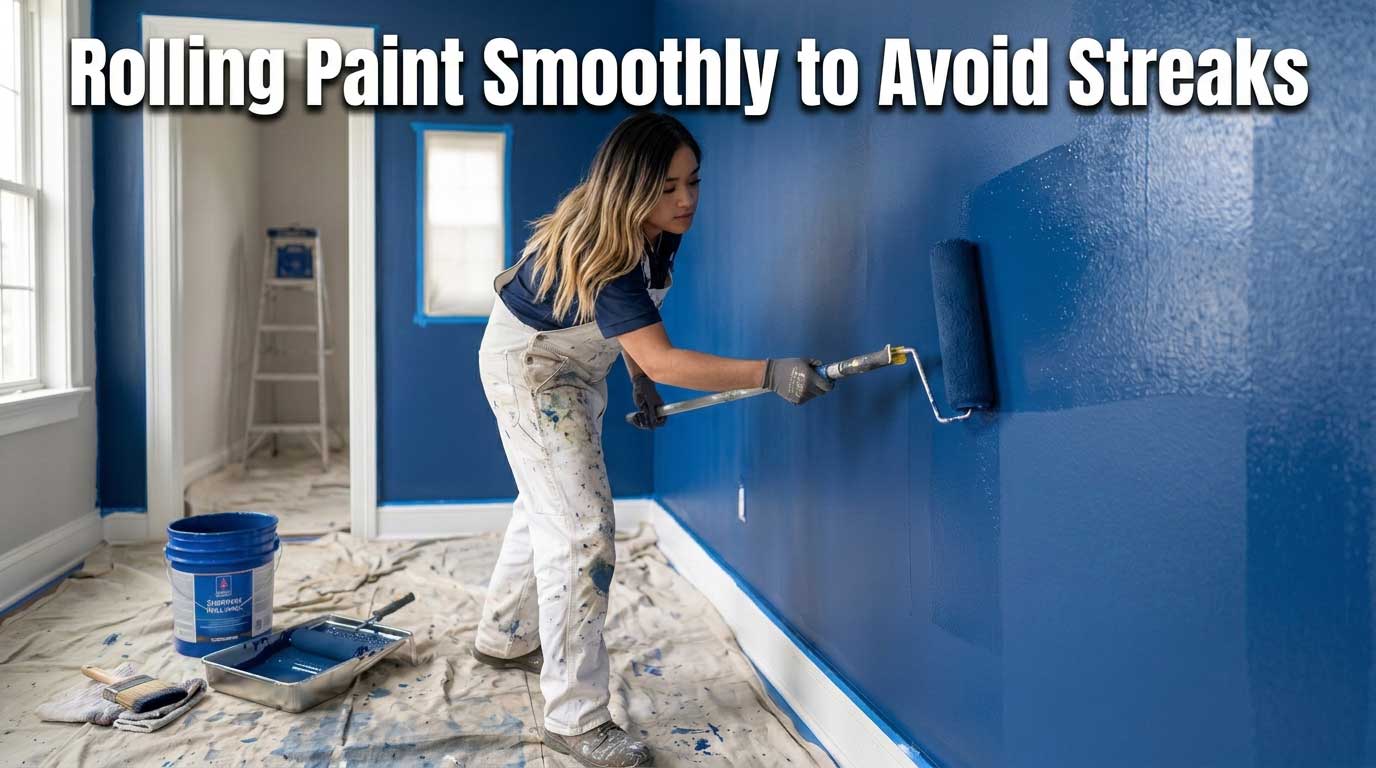
Why it Happens You finish painting. You step back to look. The wall looks striped. You can see every roll you made. This is very sad. You worked hard for a bad look. This is a tool issue or a speed issue. Cheap rollers leave bad marks. Also, if you paint too slow, the edge dries. This leaves a dark line.
How to Fix It
- Buy good tools. A good roller cover is key.
- Keep a wet edge. Paint fast enough so it stays wet.
- Roll from the top to the bottom.
- Do not stop in the middle of the wall.
- If you have marks now, lightly sand them.
- Paint one more fresh coat.
7. Poor Hiding and Show-Through
Why it Happens You want a light blue room. You paint over a dark red wall. But the red still shows. The room looks purple. The new paint did not hide the old color. Some paint is too thin. Using a thin roller causes this. Trying to stretch the paint too far is a big mistake.
How to Fix It
- If the old wall is dark, you need a primer.
- Tint the primer gray. Gray hides bright colors very well.
- Let the primer dry fully.
- Use a roller with a thick nap.
- Load the roller with a lot of paint.
- Two thin coats are always better than one thick coat.
8. Yellowing Over Time
Why it Happens White trim looks crisp and clean. But years later, it might look dirty and yellow. This happens a lot with oil-based paint. Oil paint needs bright light to stay white. In dark rooms, it turns yellow fast. Heat from a stove does this too. Smoking in the house coats walls in yellow tar.
How to Fix It
- If it is just dirt, wash the wall with soap.
- If the paint changed color, you must repaint.
- Wash the wall and sand it lightly.
- Use acrylic paint this time. Acrylic does not yellow.
- If smoke caused it, use a shellac primer first. It locks the tar in.
9. Flashing and Uneven Shine
Why it Happens You paint a wall. Most of it is dull. But some spots are very shiny. The wall looks patchy. We call this flashing. It happens when the wall drinks paint in a bad way. If you fix a hole with mud and skip the primer, it will flash. The dry mud sucks up the paint fast.
How to Fix It
- Spot prime your wall patches.
- Put primer on the dry mud before you paint.
- If the wall already looks patchy, you need to repaint.
- Put primer over the whole wall. This makes it even.
- Then apply your top coat of paint. The shine will match everywhere.
10. Sagging and Running Paint
Why it Happens You look at your fresh paint. It looks like it is crying. It has drips and runs all over. We call this sagging. It happens when you put too much paint on the wall at once. It also happens if you paint in a very cold room. The paint gets heavy and falls down.
How to Fix It
- If the paint is still wet, just roll over it again. Spread it out.
- If the paint is dry, you have to sand the drips off.
- Make the wall smooth again.
- Wipe off the dust.
- Paint the spot with a light touch.
- Do not overload your brush or roller.
11. Bad Brush Marks
Why it Happens You paint your baseboards. When they dry, you see deep lines from your brush bristles. The trim looks rough. This is often caused by cheap brushes. It also happens if the paint dries too fast. The paint does not have time to lay flat.
How to Fix It
- Throw away cheap brushes. Buy high-quality ones.
- Do not press hard on the brush. Let the tips do the work.
- Add a paint extender to your bucket. This slows the dry time.
- The paint will melt together and dry very smooth.
- If the marks are dry, sand them flat and paint again.
12. Paint Not Drying
Why it Happens You painted your front door two days ago. It is still sticky. You touch it, and your fingerprint stays in the paint. Why? High humidity is the main cause. If the air is full of water, the paint cannot dry. Painting in extreme cold does this too. Putting it on too thick slows down the dry time a lot.
How to Fix It
- Wait it out. Sometimes it just needs more time.
- Turn up the heat in the room.
- Bring in a big fan to move the air.
- Use a dehumidifier to pull water from the air.
- Next time, check the weather before you paint.
- Always paint in thin, even layers.
13. Brown Sticky Spots
Why it Happens You paint a new bathroom. A week later, you see brown, sticky streaks on the walls. It looks like syrup. We call this surfactant leaching. It is just soap in the paint coming to the top. When wet air hits fresh paint, it pulls this soap out. It looks gross, but it is harmless.
How to Fix It
- Do not panic. Your paint is fine.
- Do not paint over it. It will just happen again.
- Wait a few weeks for the paint to fully cure.
- Wash the brown spots off with warm water and a sponge.
- Run your exhaust fan every time you shower.
Final Thoughts on Paint Fixes
We made it to the end. We talked about a lot of paint problems and solutions. Paint is a great way to fix up a house. It brings fresh life to any space. But you have to do it right.
Remember the golden rule. Good prep makes a good paint job. Do not rush the cleaning step. Do not rush the sanding step. Take your time. Quality tools and quality paints matter a lot.
I hope these tips help you today. Next time your paint peels or bubbles, you know exactly what to do. You can fix it like a true pro. You can make your home look grand.
Have you dealt with a bad paint job before? What went wrong? Drop a comment below. I would love to hear your story. Let us keep making our homes better, one room at a time. Happy painting, friends!