
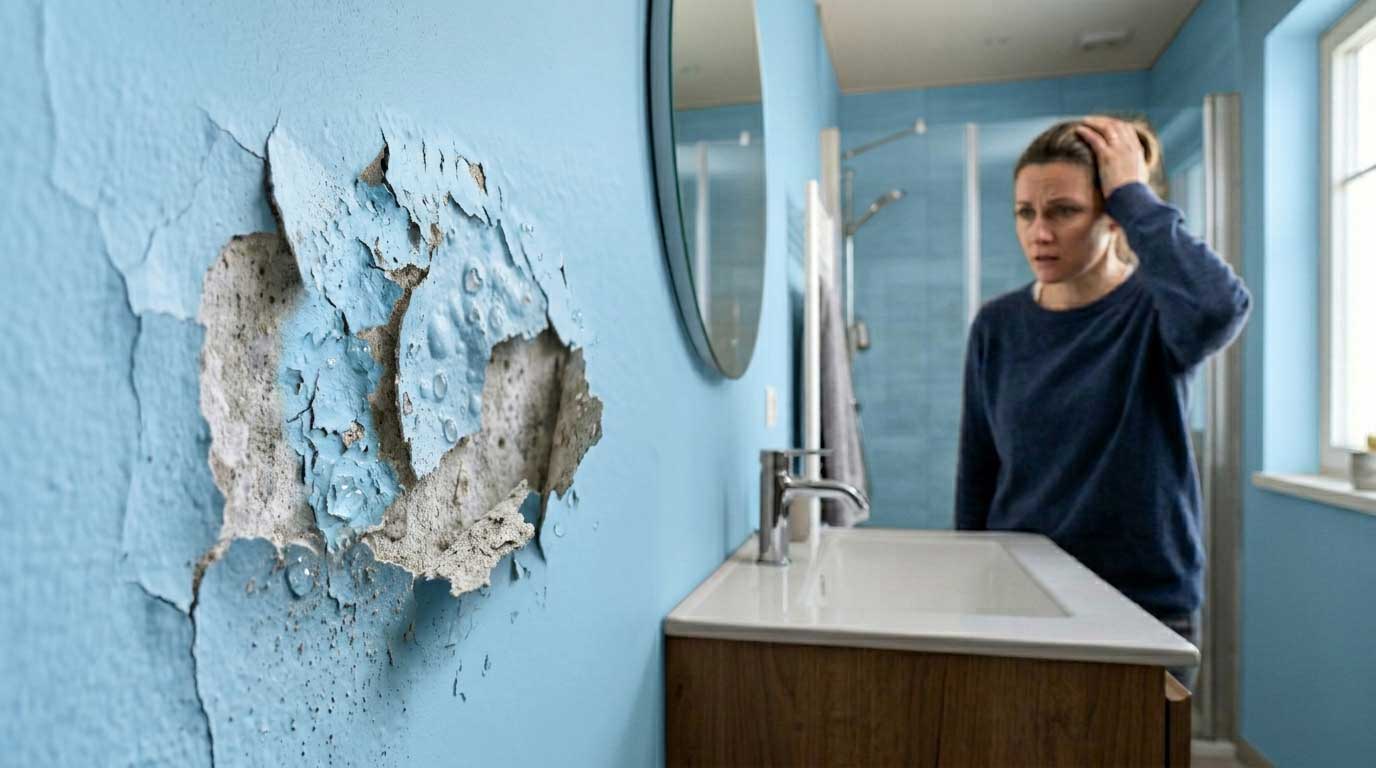
It was a rainy Tuesday morning in my cramped guest bathroom in Ohio. I was brushing my teeth. Suddenly, I heard a soft, sad sound. A dry, crusty flake of gray paint fell right into the sink. I just stared at it. I felt totally betrayed. I had spent my entire weekend painting that room. My back still hurt from reaching the ceiling. And now, my hard work was falling apart. I touched the wall. A huge bubble of paint shifted under my thumb. With one tiny pull, a strip the size of my hand tore off. I was immediately left asking, why is my paint peeling off the wall?
Table of Contents
It is a very annoying moment. I know this pain well. I painted that bathroom three times before I learned my lesson. I wasted cash on fancy paint. I blamed the paint store clerk. But the truth was hard to swallow. The failure was my own fault. Paint does not just let go of a wall for fun. Flaking is a giant warning sign. It tells you there is a hidden problem. You might have trapped water. You might have skipped a boring step. You have to find the real cause first. Here is what I learned from my messy mistakes.
The Hidden Causes of Peeling Paint
Before you grab a wet brush, you must stop and think. You have to do some basic Troubleshooting. If you ignore the root cause, your fresh paint will just peel right off again. I learned this the hard way.
Trapped Water is the Enemy
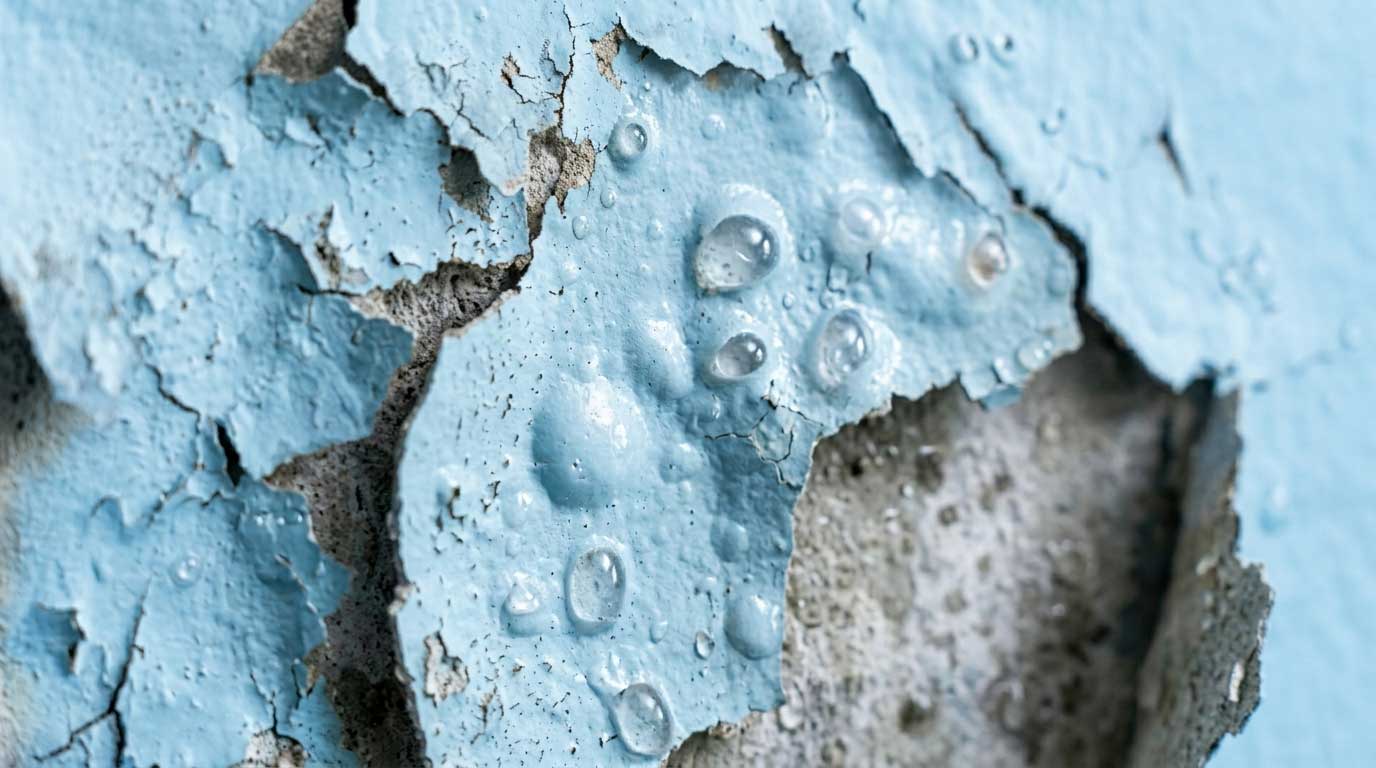
Water ruins everything in a house. If water gets behind your paint, it breaks the tight bond. The paint just lets go. You see this mostly in wet bathrooms or dark basements.
In my guest bathroom, the old ceiling fan was broken. It rattled but did not pull air. Hot, thick steam from the shower just sat on the cold walls. The wet air pushed the paint right off. If you have a leaky pipe, the wall will look soft and brown. Water damage is tough. Sometimes, the soft wall turns to mush. You cannot just scrape it. You must tear it open. You will need fresh drywall Replacement Parts to rebuild the strong wall. Only then can you prime and paint.
Skipping the Dirty Prep Work
We all hate prep work. We just want to see the fun, bright color on the wall. But jumping ahead ruins the whole job.
Think about your kitchen walls. Sticky bacon grease and dusty fingerprints hide everywhere. If you paint over that grease, the paint grabs the dirt. It does not grab the wall. When the dirt shifts, the paint falls off. Deep Cleaning is a hard rule. A fast wipe with a dry rag is a joke. You must scrub the wall. Use a strong soap. Wash away all the hidden oils. If you skip this, you will cry later.
The Classic Oil and Water Mistake
Did you know water paint hates oil paint? I did not know this a few years ago. My old house had shiny, slick oil paint in the dark hallway.
I bought a bucket of modern water-based paint. I rolled it right on. It looked so smooth and nice. Two weeks later, I walked by and gasped. The paint peeled off like a bad summer sunburn. I could pull off sheets the size of a pizza box. The rubbery latex paint could not grab the slick oil paint. Without a gritty primer layer, the new paint just sat on top. It never actually stuck.
Bad Painting Weather
Paint is very picky about the weather. It needs good air to dry right.
I tried painting my cold, drafty garage in late December. I wore a heavy winter coat while I rolled. Big mistake. The freezing air froze the wet paint. It took days to dry. It never bonded to the cold wood. The next summer, it all flaked away in the hot sun. If the room is too hot, the paint dries too fast. It cracks like dry mud. Always paint inside a nice, mild room.
My Simple Steps for a Lasting Fix
Once your Troubleshooting is done, you can start the real work. A lasting Repair takes true patience. Put on some loud music. Wear old jeans. Get ready to sweat.
Scrape the Flaky Mess Away
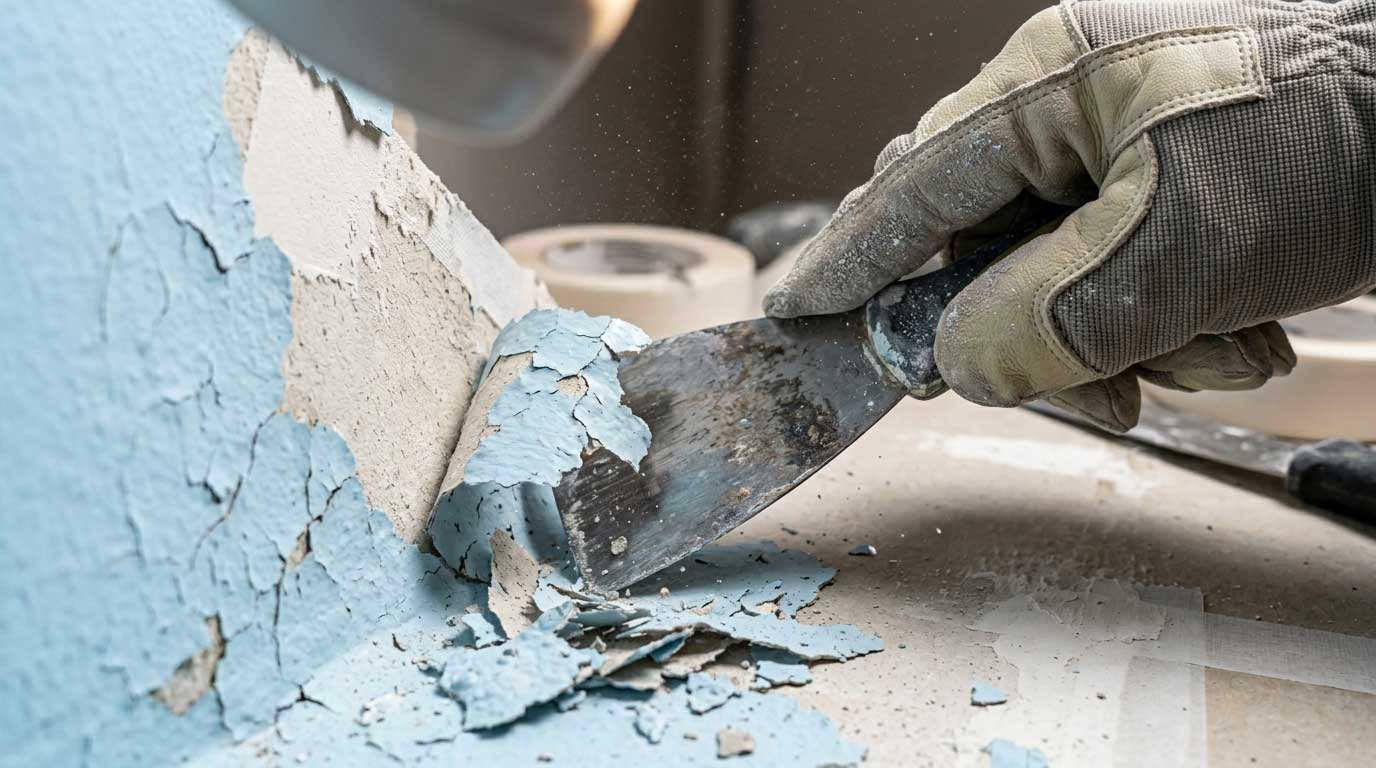
Grab a stiff metal putty knife. Hold the hard handle tight. Slide the thin metal under the curly paint edges.
Listen to the loud, sharp crunch as the dry chips fall. They will cover your shoes. Push firmly until the paint stops flaking. You must remove every single loose piece. If you leave a weak flap, the wet primer will soak it. That flap will lift up and ruin your smooth finish. Be firm, but do not stab the soft wall.
Smooth the Rough Edges Down
Look closely at the scraped spot. There is now a tiny cliff edge. It sits between the bare wall and the old paint layer.
If you paint over this cliff, it looks terrible. You will see a harsh map outline of the damage. Grab a rough sanding block. Rub those edges down hard. White dust will fly into the air. Keep rubbing. Run your bare thumb over the spot. It must feel completely flat and smooth.
Wash the Fine Dust Off
After all that sanding, your wall is a dusty mess. Fine, white powder clings to everything.
If you drag a wet brush over dry dust, the paint will fail. Good Cleaning saves the day here. Grab a thick microfiber cloth. Get it slightly damp. Wipe down the whole scraped zone. Wash the dust off the baseboards, too. Let the wall dry for an hour. If you are in a bathroom, do not run the hot shower for a full day. Keep the air dry.
Patch the Holes and Prime
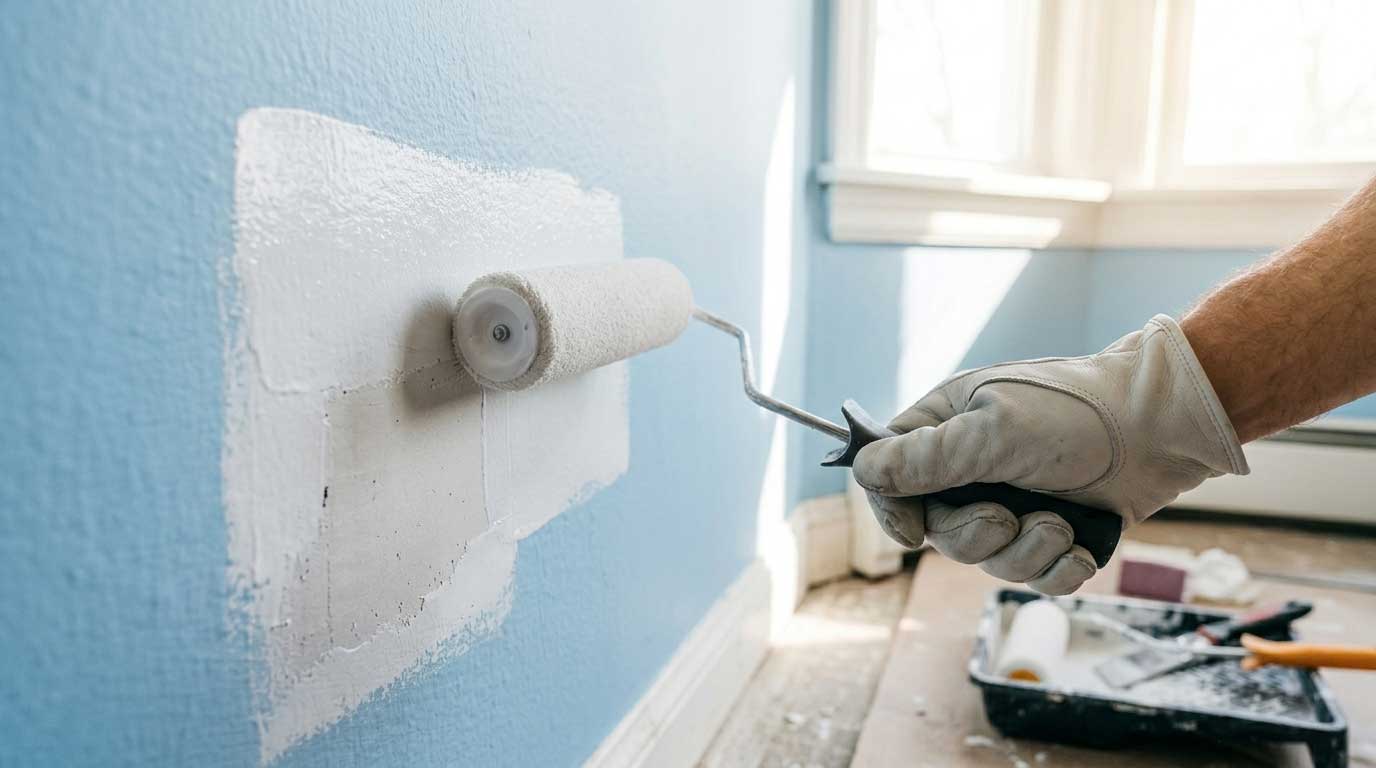
Did you gouge the wall with your scraper? It happens to me all the time. Spread some wet, white spackle over the dent. Let it dry crisp. Sand it flat.
Now you must prime. Primer is like strong liquid glue. It bites into the bare wall. It gives the top paint a rough texture to grab. Sometimes, a bad water leak ruins the wooden floor trim, too. If the wood is soft, crumbly, and black, do not paint it. Toss it in the trash. Buy new wood trim Replacement Parts from the store. Wet, dead wood will never hold fresh paint.
Smart Habits to Keep Walls Perfect
After a long, sweaty Repair, you want the room to stay perfect. You do not want to scrape paint ever again. Simple daily Maintenance keeps your walls safe.
Always run your loud exhaust fan. Turn it on before you shower. Leave it on for thirty minutes after you finish. Suck all that heavy steam out of the room. Keep your home air fresh and dry. Check your tight window seals. If you see a tiny gap, fill it with fresh caulk. Stop the rain before it sneaks inside. Easy, routine Maintenance stops massive, expensive headaches.
Watch your walls closely. If you see a small brown water stain, act fast. Start your Troubleshooting that exact same day. A tiny roof leak is a cheap fix. A huge, soggy wall collapse is a nightmare. If a hidden pipe bursts in the winter, cut the wet mess out. Let the wood frame dry in the open air. Put in strong, clean drywall Replacement Parts. Cover the fresh board with good primer. Careful work keeps your home looking great for years.
Frequently Asked Questions
Can I just paint over peeling paint?
No. The old, loose paint will soon fall down. It takes your new color right with it. You must scrape the wall completely bare first.
Does peeling paint mean I have mold?
Not always. But wet, trapped moisture causes both big problems. Check the dark spots behind the paint chips to be very sure.
How long should a wall dry before repainting?
Wait a full two days if you fixed a wet pipe leak. The soft inner wall must feel totally dry and warm to the touch.
What is the best tool for this messy job?
A sharp, flat metal scraper works the absolute best. Keep the steel blade flat so you do not dig deep, ugly holes.
Final Thoughts
Figuring out why is my paint peeling off the wall is never a fun time. I hated seeing my hard work fall apart on the floor. But learning to fix it right feels amazing. The hardest lesson I ever learned is simple patience. Prep work is ninety percent of the hard job.
If you skip the boring scraping and the dusty sanding, you will just fail again. You will end up angry and broke. Take your time. Find the bad leak. Buy the good primer. Put on your old clothes and do the dirty work. It makes a huge mess. Your arms will ache. But doing it the right way gives you true peace. You will smile every single time you walk past that smooth, perfect wall.